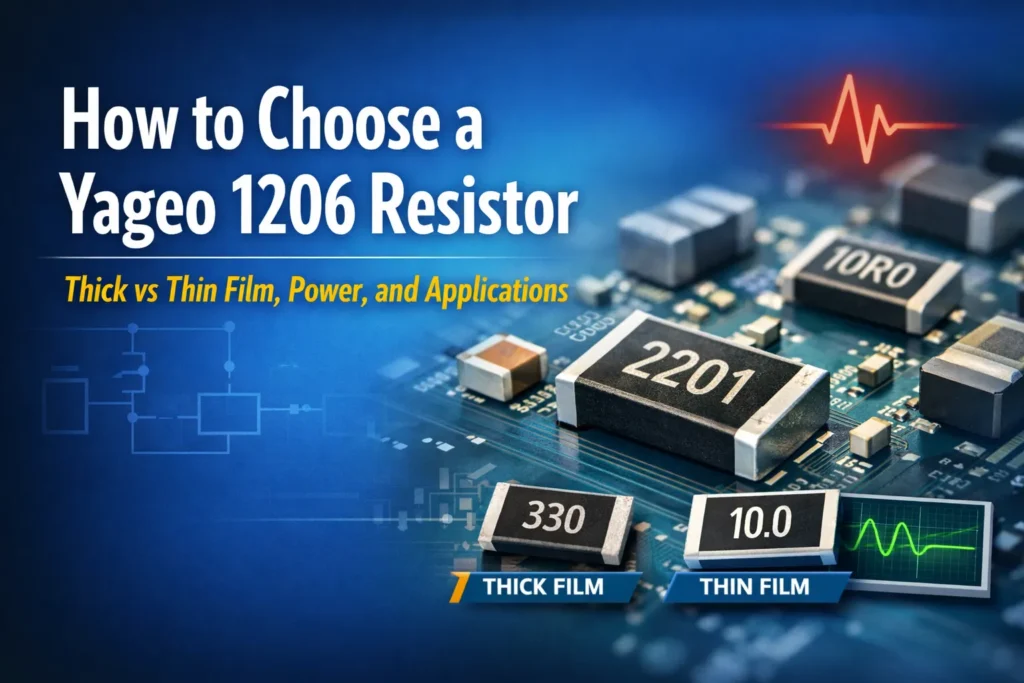
In the actual selection of surface-mount resistors, Yageo 1206 resistors are often chosen not only for their standardized PCB footprint, but also for the balanced performance they offer in terms of power margin, assembly reliability, and long-term system stability. As one of the most commonly used medium-sized SMD packages, the 1206 format represents a practical engineering compromise between size, power handling, and reliability, which explains its wide adoption across consumer electronics, industrial control systems, and automotive electronics.
This article provides a structured analysis of Yageo 1206 resistor, covering package definition, key differences between thick-film and thin-film series, typical application environments, and critical engineering selection considerations. The goal is to help engineers more clearly understand the practical boundaries of the 1206 package and apply a more rational, system-level selection logic in real-world designs.
1. What is a Yageo 1206 Resistor?
In Yageo’s product system, the 1206 package refers to a standardized surface-mount resistor form factor, used to describe the physical dimensions of the device on the PCB and its corresponding power rating. The 1206 is an internationally recognized imperial package code, with actual dimensions of approximately 3.2 mm × 1.6 mm (length × width). This specification is widely used in Yageo’s thick-film resistors, thin-film resistors, and current-sensing resistors, and it is well-suited for automated placement and reflow soldering processes.
Compared to smaller surface-mount resistors such as the 0805, the 1206 package offers a larger electrode area and more ample heat dissipation, thus providing advantages in power handling capacity and soldering reliability. A typical rated power for a Yageo 1206 resistor is 0.25 W (1/4 W), and with proper PCB layout and heat dissipation, it can support long-term continuous operation, making it particularly suitable for industrial control and automotive electronics applications.
From a product positioning perspective, Yageo positions the 1206 package as a balanced choice between general-purpose and high-reliability applications. Without significantly increasing PCB footprint, the 1206 package provides greater power margin and more stable assembly performance, making it suitable for a wide range of system designs.
As a result, Yageo offers multiple resistor series in the 1206 package, including RC, AC, RT, and RL, covering general-purpose thick-film, high-reliability automotive, precision thin-film, and current-sensing applications.
It is important to note that the 1206 designation refers only to the physical package size. It does not directly define the resistor’s resistance range, accuracy, or temperature coefficient. These electrical characteristics are determined by the specific product series and the underlying manufacturing process.
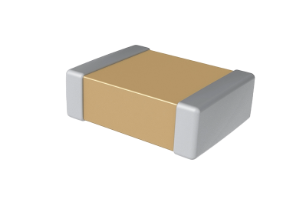
In practical component selection, engineers typically decide on the use of the 1206 package first based on power dissipation requirements and mechanical or layout constraints. Once the package size is fixed, the appropriate Yageo resistor series and parameter configuration are then selected within the 1206 package range to meet the system’s electrical and reliability requirements.
2. What are the main series of Yageo 1206 general-purpose thick-film resistors?
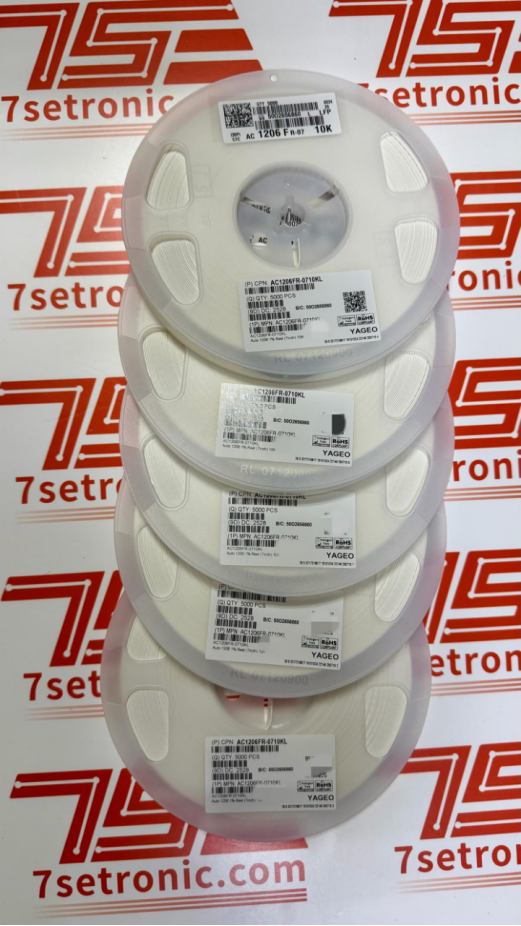
Yageo general-purpose thick-film resistors are manufactured using mature thick-film printing technology and are suitable for standard control, voltage division, signal conditioning, and basic circuit applications. They are widely used in consumer electronics, industrial control, and general embedded systems. Within the 1206 package specification, these resistors maintain a good balance between power carrying capacity, soldering reliability, and cost, making them suitable for high-volume automated surface mount production.
RC_L Series: One of Yageo’s most common general-purpose thick-film chip resistor product lines, suitable for most conventional circuit design needs. This series covers a resistance range of 1 Ω to 22 MΩ with 5% tolerance (E24 series), and offers 1 Ω to 10 MΩ options with 1% tolerance (E96/E24 series). Typical power ratings in the 1206 package are 0.25 W, with an operating temperature range of -55 °C to +155 °C, meeting stability requirements under long-term operating conditions.
AC Series: Electrically similar to the RC_L series, but AEC-Q200 reliability certified, targeting automotive electronics and applications with stringent environmental requirements. This series has more stringent verification requirements under damp heat, temperature cycling, and mechanical stress testing conditions. Some models meet higher tolerance levels in electrostatic discharge (HBM) testing, suitable for body control, lighting control, and related automotive electronic modules.
RE Series: Also part of Yageo’s general-purpose thick-film resistor product line, offering various package options, including 1206. Primarily targeted at applications requiring both cost control and general performance, suitable for consumer and industrial basic circuit designs.
RL Series: Designed for current sensing needs, the RL series consists of low-resistance thick-film surface mount resistors, commonly used in power management, current monitoring, and protection circuits. This series provides stable resistance consistency and good mounting reliability within the low resistance range, suitable for designs with moderate current sampling accuracy requirements, prioritizing system stability and cost control.
3. What are the main series of Yageo’s 1206 general-purpose precision thin-film resistors?
Compared to general-purpose thick-film resistors, thin-film resistors offer superior resistance consistency, long-term stability, and temperature drift control, typically used in circuit designs with higher precision and reliability requirements.
RT Series: Positioned for high-precision control and signal processing applications, manufactured using thin-film technology, suitable for system environments with stringent parameter stability requirements. This series offers resistance tolerances as low as ±0.1% and a low temperature coefficient, with a minimum TCR of ±25 ppm/°C, helping to maintain predictable electrical characteristics over a wide temperature range. In a 1206 package, the RT series typically has a power rating of 0.25 W and is suitable for applications such as precision measurement, telecommunications equipment, and industrial control.
The PE series, on the other hand, is designed for current sensing applications. It uses a metal film structure to achieve low resistance and stable output and is AEC-Q200 automotive grade certified, suitable for systems with high environmental adaptability and reliability requirements. This series supports high operating temperatures, up to +170 °C, and offers higher power options in some specifications. It is commonly used in automotive electronics, power management, and industrial current monitoring circuits.
4. What are the differences between thick-film and thin-film processes in the 1206 package?
Under the same 1206 package size, thick-film and thin-film resistors are essentially the same in appearance and mounting method. However, the underlying manufacturing processes determine significant differences in their electrical performance, stability, and applicable environments.
Thick-film resistors (RC, AC, RE, RL series) are typically produced by screen-printing resistive paste onto a substrate and then sintering it at high temperature to form a resistive layer. Advantages include:
- Relatively controllable cost, suitable for mass production applications
- Wide range of resistance values, meeting the needs of most basic circuits
- Stronger tolerance to transient surges and ESD.
Thin-film resistors (RT, PE series) use vacuum deposition or sputtering processes to form a uniform metal film layer on a substrate, and then finely adjust to achieve the target resistance value. Advantages include:
- Smaller resistance tolerance and higher parameter consistency
- Lower temperature coefficient, suitable for circuits sensitive to environmental changes
- Less resistance drift during long-term operation
Under the same 1206 package, the performance difference between thick-film and thin-film resistors mainly stems from the manufacturing process itself, rather than the package size. Therefore, in actual selection, engineers often need to prioritize the system’s requirements for accuracy, stability, and environmental adaptability when determining the process type, rather than solely relying on package specifications.
5. What are the typical application areas of Yageo 1206 resistor?
Yageo 1206 packaged resistors use the standard imperial 1206 form factor (approximately 3.2 × 1.6 mm), achieving a relatively balanced design approach between power handling capacity, soldering reliability, and PCB footprint. Within Yageo’s product portfolio, this package is widely used in thick-film, thin-film, and current-sensing resistor series, with a typical rated power of 0.25 W, and is compatible with automated placement and reflow soldering processes. Due to differences in tolerances, temperature coefficients, environmental adaptability, and certification levels across different series, Yageo 1206 resistor cover a wide range of applications, from general electronic products to automotive and industrial systems, making it one of the most frequently used standard surface-mount resistor packages in engineering design.
The main applications of Yageo1206 resistor include:
- Consumer Electronics (General Circuit Applications):
Represented by the RC_L series and other general-purpose thick-film series, these are commonly used in smartphones, tablets, laptops, display devices, and home electronics. They primarily perform functions such as voltage division, LED current limiting, pull-up/pull-down, and basic signal conditioning, emphasizing cost control, versatility, and long-term supply stability.
- Automotive Electronic Systems (High Reliability Environments):
The AC series, compliant with AEC-Q200 standards, is suitable for engine control units (ECUs), anti-lock braking systems (ABS), airbag control modules, and automotive lighting and infotainment systems. It maintains stable electrical performance under high and low temperature cycling, high humidity, and mechanical vibration conditions.
- High-Precision Measurement and Signal Processing Applications:
The RT series, using thin-film technology, is suitable for circuits requiring high resistance accuracy and temperature drift control, such as 5G base stations, optical communication equipment, medical electronics, and precision testing instruments. Under long-term operating conditions, it helps reduce measurement errors and parameter drift.
- Industrial Automation and Power Management Systems
Widely used in programmable logic controllers (PLCs), motor drivers, industrial power modules, and various sensor interface circuits, with specific requirements for soldering reliability, power margin, and environmental adaptability.
- Current Sensing and Protection Circuits
The RL and PE series are designed for low-resistance current sensing needs and are commonly found in battery management systems, motor control, power monitoring, and overcurrent protection circuits, providing a stable resistance reference for system current monitoring and safety control.
6. Engineering Significance and Selection Considerations for Yageo 1206 Resistor Package
Among commonly used chip resistor packages, the 1206 package represents a balanced option between size, power handling, and reliability. Its typical dimensions are approximately 3.2 × 1.6 mm (also listed as 3.10 × 1.60 mm in some specifications).
Compared with smaller packages such as 0805 and 0603, the Yageo 1206 resistor provides a larger electrode and substrate area, improving heat dissipation and solder joint stress distribution. This results in more reliable power handling, better thermal stability, and improved assembly robustness.
In practical engineering design, the 1206 package is selected based on system operating conditions and reliability requirements rather than simple size preference. It is therefore commonly used in the following situations:
- Circuits with nodes exhibiting high continuous or transient power consumption
- PCB pad space is relatively ample, prioritizing assembly yield
- Maintaining stable resistance parameters over a wide temperature range
- Automotive or industrial equipment with high requirements for mechanical stress and solder joint reliability
Based on these engineering needs, Yageo has simultaneously developed multiple product lines for the 1206 package, including general-purpose thick-film, high-precision thin-film, and current-sensing types. This makes the package suitable not only for cost-sensitive designs but also for applications with higher requirements for accuracy, stability, and long-term supply consistency, providing engineers with more flexible selection options at different project stages.
7. How should the rated power of a Yageo 1206 resistor be evaluated in practical applications?
In Yageo 1206 resistor products, the nominal rated power is mostly 0.25 W (1/4 W). It’s important to note that this power rating is typically given under standardized test conditions, such as specific ambient temperature, controlled heat dissipation, and idealized PCB layout. In real-world applications, the effective power dissipation a device can withstand over the long term is often affected by various system factors. During the engineering design phase, the following factors need to be considered:
- PCB copper foil area and heat dissipation path
- Thermal density of surrounding components
- Actual ambient temperature and ventilation conditions
- Presence of short-term overloads or pulsed power consumption
In automotive electronics, industrial power supplies, or other high-reliability applications, even when using Yageo 1206 resistor, power derating is commonly employed to reduce thermal stress and extend device lifespan. Based on this requirement, AC and PE series resistors with reliability certifications such as AEC-Q200 are often prioritized in these applications to support stable system operation under complex conditions.
8. What factors should be considered when selecting 1206 resistors for automotive and industrial systems?
In automotive and industrial systems, the selection of 1206 resistors typically requires consideration of long-term factors beyond just device parameters, primarily including the following:
- High system coupling: In automotive ECUs, ADAS modules, etc., resistors often form fixed signal links with MCUs, analog front-ends, power supplies, and sampling circuits, making individual replacement difficult once mass production begins.
- Long-term fixed BOM structure: Industrial control boards typically maintain the same material configuration throughout their multi-year lifecycle to reduce maintenance and expansion risks.
- High batch consistency requirements: Under long-term mass production, there are continuous requirements for resistance distribution, temperature drift performance, and process stability.
- Predictable supply planning: The design phase must focus on whether the device has a clear certification system and lifecycle management.
Based on these requirements, Yageo’s AC and PE series, with AEC-Q200 certification, mature processes, and clear supply planning, are more likely to be selected as standard materials by design teams and used long-term.
9. What details need to be considered during the design phase for Yageo 1206 resistor?
In the actual design and selection process of Yageo 1206 resistor, in addition to basic electrical parameters, engineers typically focus on the following aspects:
- Resistance tolerance impact: Does the tolerance range affect system calibration accuracy, channel consistency, or factory calibration procedures?
- Temperature coefficient (TCR): The degree of impact on measurement accuracy and feedback loop stability under long-term operation or temperature variation conditions.
- Soldering and assembly compatibility: Does the reflow soldering temperature profile match the resistor’s temperature rating and solder joint reliability?
- Environmental adaptability: Requirements for moisture resistance and package reliability under high humidity, high temperature, or thermal cycling conditions.
These factors are often not prioritized in the core parameters of the datasheet, but in mass production, long-term operation, or harsh environment applications, they directly affect system stability and maintenance costs.
The 1206 package is not merely a “medium-sized” resistor, but an engineering choice that balances power margin, assembly reliability, long-term stability, and system compatibility.
Yageo offers multiple product lines within the 1206 package, including thick-film, thin-film, and current-sensing resistors, enabling engineers to select appropriate solutions based on accuracy, environmental conditions, and lifecycle requirements.
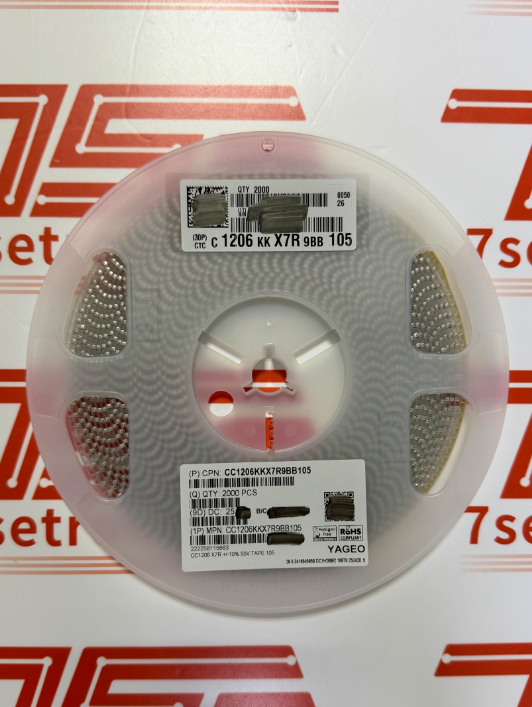
In practical designs, reliability depends on the combined fit between package, process, certification, and application environment, rather than any single parameter. Long-term reference channels such as 7SEtronic support more informed technology and supply decisions by tracking Yageo resistor specifications and availability over time.
FAQ
Q: What is a Yageo 1206 resistor?
A: A medium-sized SMD resistor (≈3.2 × 1.6 mm) balancing size, power, and reliability, used in consumer, industrial, and automotive electronics.
Q: Thick-film vs thin-film 1206 resistors—what’s the difference?
A: Thick-film is cost-effective and robust; thin-film offers higher precision, lower TCR, and better long-term stability.
Q: How to select the right Yageo 1206 resistor?
A: Consider power, thermal conditions, reliability requirements, and environmental factors, then choose the appropriate series and parameters.
Q: How can I verify the quality of resistor?
A: 7SEtronic follows a complete quality inspection SOP, including label verification, visual inspection, and X-RAY analysis, ensuring authenticity and reliability for embedded and industrial applications.
For more information and to review our available inventory, please contact our team for detailed pricing, current stock levels, and any additional technical support you may need.
You can find more component guides and application notes in our Component Technical Guides section: