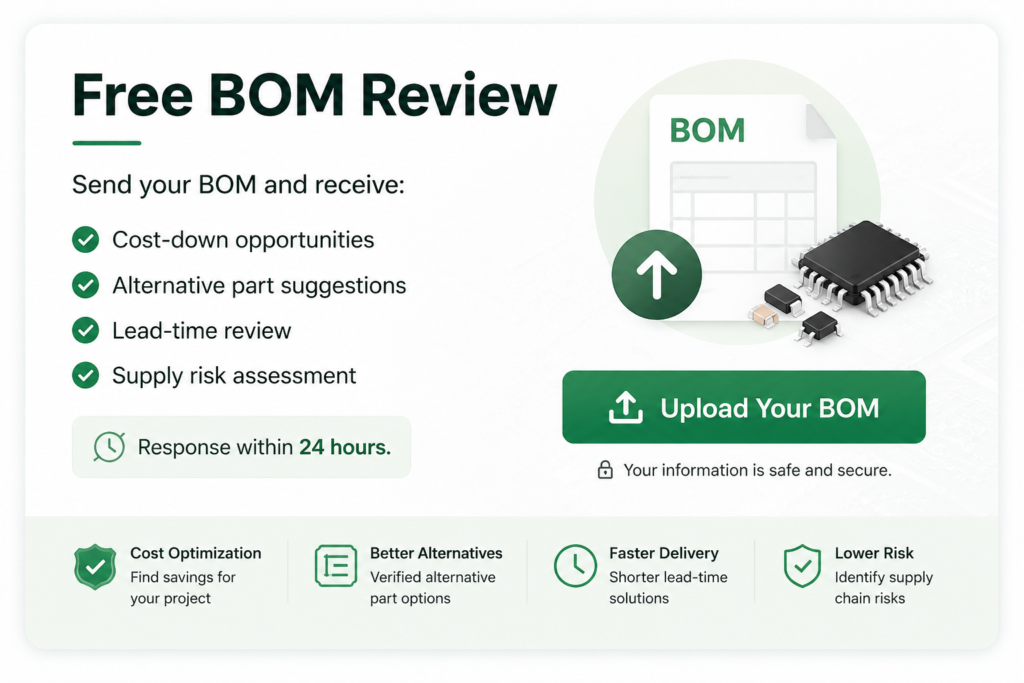

Supply chain changes have become a permanent reality for small factories worldwide. What used to be stable purchasing cycles are now affected by component shortages, fluctuating prices, and unpredictable delivery schedules. For small and mid-sized factories, these changes directly impact production continuity, customer commitments, and overall competitiveness.
Unlike large manufacturers, small factories often operate with limited inventory buffers and tighter cash flow. As a result, even minor changes can quickly escalate into production delays or missed deliveries. Understanding how supply chain changes affect small factories is essential for maintaining stable operations in today’s market.
Major Supply Chain Changes Affecting Small Factories
Extended Lead Times for Electronic Components
One of the most visible supply chain changes is the significant extension of component lead times. Standard parts such as microcontrollers, power management ICs, and memory devices may now require several months instead of weeks.
For small factories, extended lead times:
- Disrupt production planning
- Increase dependency on forecasts
- Reduce flexibility for urgent orders
When a single critical component is delayed, the entire production schedule can be affected.
Price Fluctuations and Quotation Pressure
Supply chain changes have also introduced frequent component price adjustments. Raw material costs, capacity constraints, and demand concentration among large OEMs contribute to unstable pricing.
Small factories often face:
- Short quotation validity periods
- Unexpected cost increases after order confirmation
- Reduced profit margins
These changes make long-term pricing commitments increasingly difficult for small manufacturers.
Allocation Priority Shifts
During periods of tight supply, manufacturers prioritize customers with large and stable volumes. This allocation model creates structural challenges for small factories.
As supply chain changes intensify, small factories may experience:
- Partial deliveries
- Reduced allocation quantities
- Delayed order confirmations
This directly affects production reliability and customer delivery performance.
Operational Impact of Supply Chain Changes on Small Factories
Production Interruptions and Idle Resources
Supply chain changes increase the risk of sudden production stoppages. A missing component can lead to:
- Idle labor
- Underutilized equipment
- Delayed shipments
For small factories with limited alternative production lines, these interruptions carry immediate financial consequences.
Increased Engineering and Redesign Costs
Component shortages caused by supply chain changes often force small factories to redesign existing products. This may involve:
- BOM revisions
- Requalification testing
- Compliance and certification updates
Even when redesign is technically feasible, it adds cost and extends time-to-market.
How Small Factories Are Responding to Supply Chain Changes
Adopting Multi-Sourcing Strategies
To reduce dependency risks, more small factories are approving multiple component sources during the design stage. Multi-sourcing allows factories to respond more effectively to supply chain changes without halting production.
This strategy improves:
- Component availability
- Lead time flexibility
- Negotiation leverage
Working with Flexible Component Suppliers
Independent electronic component suppliers have become increasingly important as supply chain changes continue. Compared with traditional distribution channels, flexible suppliers can support:
- Smaller order quantities
- Multi-region sourcing
- Faster response during shortages
Many small factories cooperate with suppliers such as 7setronic to improve sourcing visibility and reduce the operational impact of supply chain changes.
Adjusting Inventory and Forecasting Models
Supply chain changes are pushing small factories to rethink just-in-time purchasing. Strategic safety stock for critical components and earlier procurement planning help stabilize production, even in volatile markets.
Practical Case: Managing Supply Chain Changes in Small Manufacturing
A small industrial equipment manufacturer faced repeated delays due to unstable power IC supply. By approving alternative components and sourcing through multiple channels, the company reduced lead times and avoided production stoppages.
This case demonstrates that adapting to supply chain changes is not about increasing purchase volume, but about improving sourcing strategy and supplier coordination.
What Small Factories Should Prioritize Going Forward
Supply chain changes are no longer temporary disruptions. They represent a long-term structural shift in global manufacturing.
Small factories should focus on:
- Early component sourcing during product design
- Supplier diversification
- Ongoing market monitoring
- Building long-term sourcing partnerships
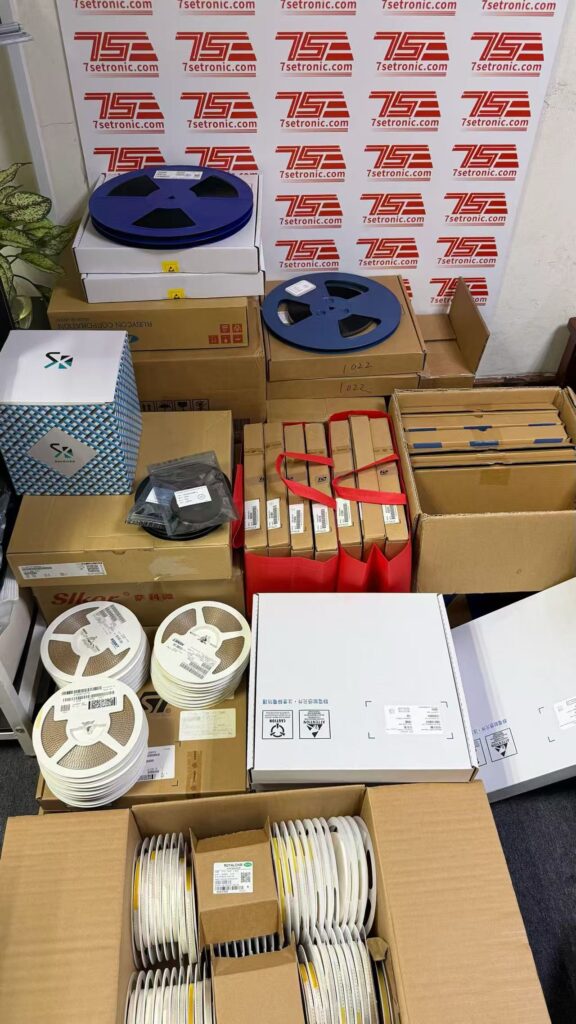
Discussing BOM requirements and project timelines early with suppliers like 7setronic allows small factories to better manage supply chain changes and reduce unexpected risks.
Conclusion: Supply Chain Changes Define Competitiveness for Small Factories
Supply chain changes now play a decisive role in the success of small factories. Those that adapt their sourcing strategies and strengthen supplier networks will maintain stable production and customer trust. Factories that ignore these changes risk repeated disruptions and declining competitiveness.
In today’s environment, supply chain resilience is not optional. It is a core operational capability for small factories.
FAQ
Q1: Why do supply chain changes affect small factories more?
Small factories lack volume priority and inventory buffers.
Q2: Can multi-sourcing reduce supply chain risk?
Yes. It improves flexibility and availability.
Q3: Are independent suppliers reliable during shortages?
Yes. They offer flexible and diversified sourcing.